20231002173920.jpg)

SILVERWARE DEPARTMENT
The excellence of precious metals
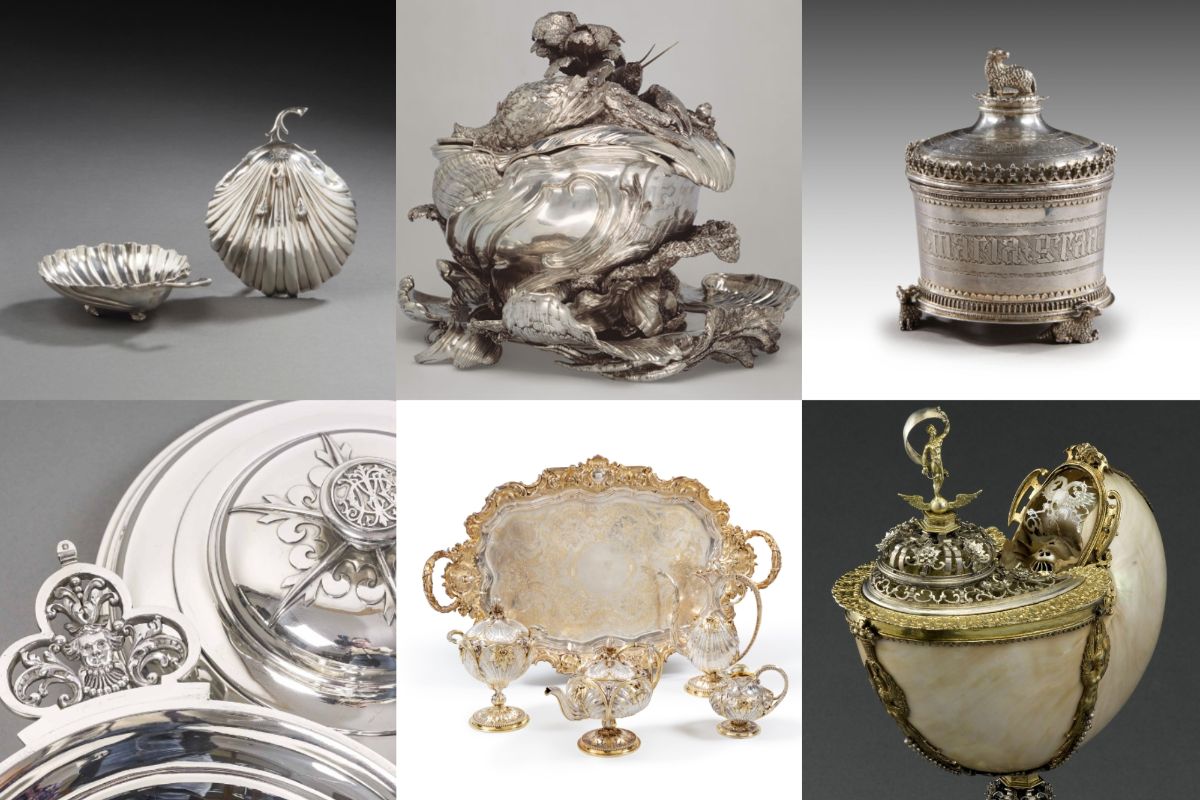
The silverware department embodies the art and craftsmanship of a high-caliber artisan tradition. Specializing in the estimation of cutlery and objects made from precious metals, it brings together rare pieces of unparalleled splendor, inherited from the greatest eras of European silversmithing. This department highlights masterpieces created by prestigious silversmiths who have shaped the history of silverwork, from the Renaissance to the contemporary era.
A tradition rooted in history: From the 16th to the 19th century
From the 16th century, silversmithing was marked by the genius of masters such as Benvenuto Cellini, the quintessential Italian silversmith. These works, undoubtedly among the most sought after in the field, continue to represent a model of excellence. In the 17th century, the system of codification for modern silversmithing began to take shape. True artists like Paul van Vianen and Hans Schwanhardt redefined the beauty of metal with pieces that combined innovative techniques and the art of sculpture.
The grand periods of the 18th century, dominated by silversmiths such as Pierre Germain and Paul de Lamerie, are most represented in the market for antique silverware. These masters, serving royal courts, designed objects of rare finesse, still sought after by collectors for their rarity and sophistication. Estimating a silver cutlery set, in particular, is a crucial step in evaluating these objects, given their high historical and aesthetic value.
Cutlery sets and form pieces: Symbols of the french art of living
Among the most sought-after items in silversmithing, cutlery sets hold a privileged place. These sets, often consisting of forks, spoons, knives, and other table accessories, are symbols of the French art of living. Their composition varies depending on the era, but they are generally made of solid silver or gilded metal, adorned with delicate motifs and intricate engravings. Form pieces, such as salt cellars, soup tureens, or paper knives, are often used as decorative objects but also serve as evidence of the technical mastery of silversmiths.
The estimation of a cutlery set is essential for evaluating the rarity and quality of these pieces, particularly those from prestigious houses like Saint Médard or Christofle, two names synonymous with French luxury. Estimating a Saint Médard cutlery set or a Christofle set is no trivial matter, as these services are highly sought after, notably because of the excellence of the work carried out by these houses.
The great silversmithing houses: Christofle, Gallia, Ercuis, and Saint Médard
Iconic silversmithing houses such as Christofle, Ercuis, and Saint Médard are pillars of the luxury silversmithing industry in Europe. Christofle, founded in 1830 by Charles Christofle, is a legendary house that has shaped the history of silversmithing with innovations such as the invention of electroplated silver. Christofle’s creations stand out for their elegant and modern design, while still respecting the traditions of the art of the table. Estimating Christofle cutlery is a commonly requested service by collectors and enthusiasts.
Ercuis, a French house founded in 1867, is synonymous with excellence and technical perfection. Specializing in the production of table silverware, Ercuis is renowned for its exceptional table services and solid silver objects that combine tradition and innovation. These pieces continue to delight collectors with their elegance and durability.
The Saint Médard house, on the other hand, is a reference in the creation of fine silverware, particularly in table services and presentation pieces. Since its founding in the 18th century, it has been recognized for the quality of its finishes and the delicacy of its ornaments, created for a prestigious clientele. Estimating a Saint Médard cutlery set is an indispensable service for evaluating the true value of these exceptional pieces.
Monumental 19th century pieces to modern innovation
The 19th century marked an important turning point for French silversmithing, with silversmiths like Jean-Baptiste-Gustave Odiot, who created sumptuous pieces for Napoleon and the aristocracy. The Christofle house, with its innovation in electroplated silver, also played a key role in democratizing the creation of luxury objects. This century is also the era of Fabergé, whose imperial eggs became symbols of unmatched luxury and technical ingenuity.
Art nouveau and art deco: Silverware between tradition and modernity
For the 20th century, the Silverware Department appraises pieces signed by masters of Art Nouveau and Art Deco, such as René Lalique and Georg Jensen, whose creations merge modernity and exceptional craftsmanship. Likewise, the influence of Peter Carl Fabergé, one of the most famous silversmiths of all time, is present through unique pieces that reflect imperial luxury.
A curated selection of rare and sought-after art objects
Our Silverware Department offers a meticulous selection of exceptional pieces, sought after for their rarity and beauty. Whether you are interested in the appraisal of a silver cutlery set, a set of Christofle silverware, or other fine silver objects, each item is a testament to its era and incomparable craftsmanship. These creations, which have withstood the test of time, continue to captivate collectors and draw attention due to their aesthetic appeal and fascinating history.
The art of silversmithing, as celebrated by our auction house, represents the intersection of tradition and innovation, combining technical mastery with creative boldness. To receive an appraisal from an auctioneer or an expert, it is essential to consult specialists recognized in the field of silversmithing. These timeless pieces are far more than mere objects; they are living testimonies to the genius of those who created them.
For a remote appraisal request, you can fill out the online form.
To have your treasures appraised, consult the calendar of expert appraisal days or contact us.